Market Implementation of Extraordinary Biomass Pellets
EU project MixBioPells started in order to increase the utilisation of alternative pellets
The market integration of alternative biomass pellets is still blocked by various constraints. Within the EU project MixBioPells BIOENERGY 2020+ identifies the constraints and drivers in detail and finds promising market introduction concepts for enhancing the market relevance of alternative pellets in Europe.
According to the worldwide rising energy demand and the increased ambitious climate protection targets, the use of biomass for combustion will gain even more importance than it already has. At the time especially in Europe small-scale combustion units (20 to 200 kW) are used almost only with high quality wood fuels. Since nowadays wood is getting more scarce caused by the growing demand in material and the energetic use, alternative solid biofuels, like low quality wood, straw or olive press cake, are experiencing growing interest for energetic use.
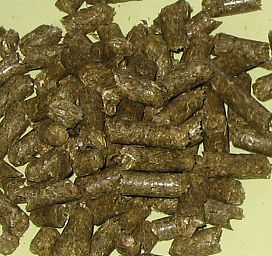
In most of the European countries first activities in industrial as well as in public sectors have been started to integrate these alternative biofuels. Furthermore for the mentioned range of performance, pelletized fuels seem to have the best chances due to their vantages like high energy density, similar physical characteristics, easy handling and efficient transportation. However, the market integration of alternative biomass pellets is still blocked by various constraints. Therefore the target of this project is to identify the constraints and drivers in detail and to find promising market introduction concepts for enhancing the market relevance of alternative pellets in Europe.
Since kind and potential of the available raw materials and the local frameworks differ significantly between the European countries and even between the regions of one country, each partner will concentrate on one region in his country to analyse the local situation. So already existing networks will be detected or new ones can be built up in the selected regions. This close cooperation gives the possibility to develop fitting concepts for better market integration of alternative pellets. Based on these experiences the major relevant objectives and outcomes for the actors will be regional case studies for the energetic utilisation of the most important alternative biofuels, recommendations for legal and economical frameworks, a concept for a labelling system for alternative pellets use in small boilers and a dissemination platform including a database and communication platform.
Contact persons at BIOENERGY 2020+
Elisabeth Wopienka
Christa Kristöfel
2010-08-05